I Ordered From Multiple Suppliers in China. What Happens Next?
- September 22, 2026
- 9 min read
- Dragon3PL Team
From different suppliers to one international shipment, learn how a China warehouse receives, organizes, checks, and prepares your products before shipping.
Sourcing products from China often means working with more than one supplier.
Many overseas buyers use platforms such as 1688, wholesale markets, or direct factory connections to find different products from different suppliers.
For example, you may purchase:
Product A from one supplier;
Product B from another supplier;
Accessories or packaging materials from other suppliers.
This approach gives you more flexibility and more choices.
However, it also creates a common challenge:
Your products usually do not arrive at the warehouse at the same time.
Each supplier has different production schedules, inventory situations, and shipping arrangements.
Some products may arrive within a few days, while others may take longer.
So after multiple suppliers send products to a China warehouse, what happens next?
In this article, we will show you how Dragon3PL handles this daily warehouse process — from receiving different supplier shipments to preparing one organized international shipment.
1. Products From Different Suppliers Begin Arriving
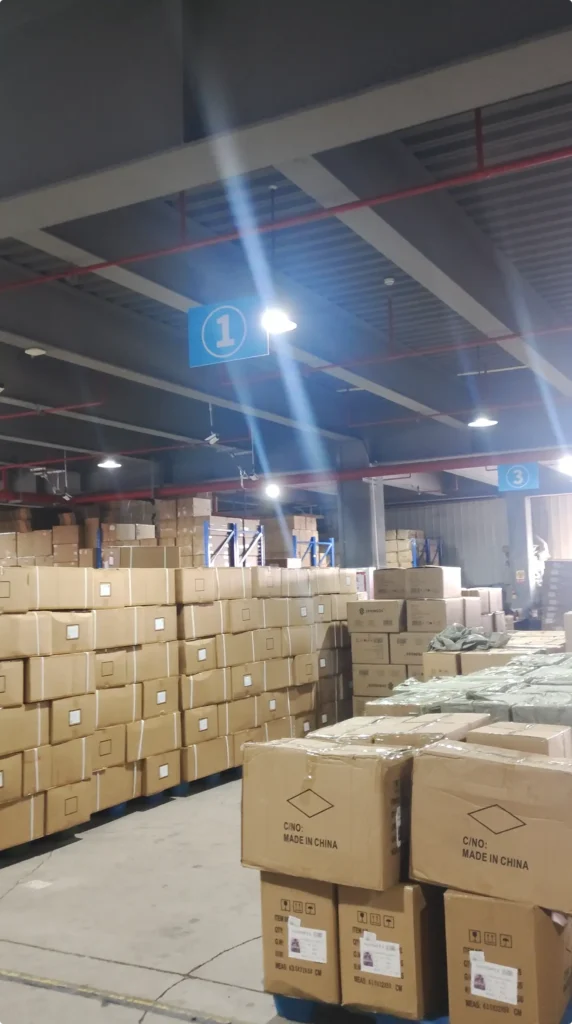
When suppliers complete their shipments, products begin arriving at the warehouse through different domestic transportation methods.
Small and lightweight products are usually delivered by domestic courier services.
Larger or heavier shipments may be transported through domestic freight companies, such as Best Express or Deppon.
Because every supplier has a different shipping schedule, products from the same customer usually arrive in multiple batches rather than all at once.
At this stage, the warehouse’s first priority is not international shipping.
The first step is to receive and organize all incoming shipments so they can be managed correctly.
2. Organizing Products by Customer
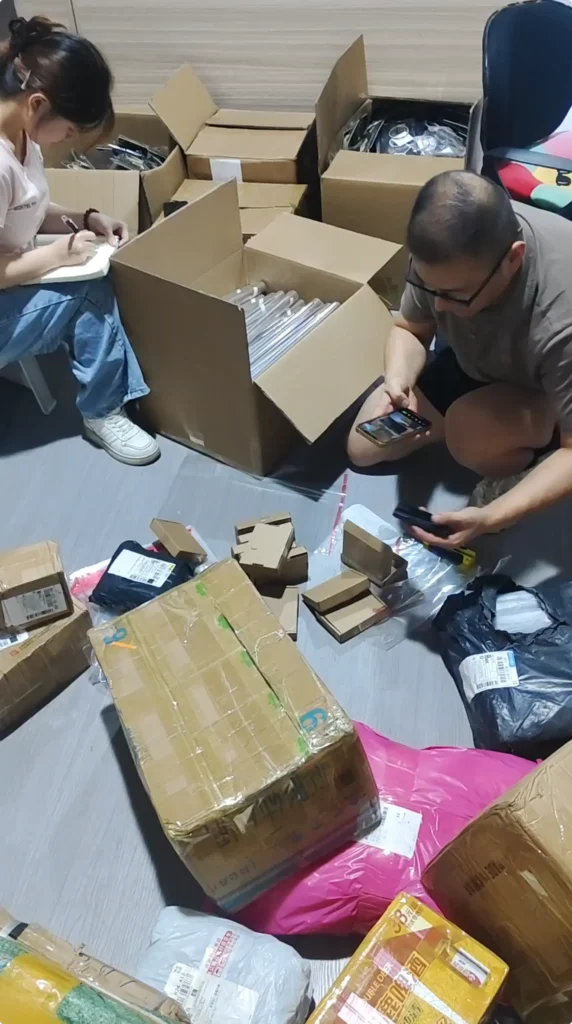
After products arrive, warehouse staff first organize shipments by customer.
For multi-supplier orders, one customer may receive products from many different suppliers, with different carton sizes and packaging methods.
Keeping all shipments from the same customer together helps prevent different orders from being mixed and makes future processing easier.
As more supplier shipments arrive, the warehouse continues adding them to the same customer’s shipment group.
Only after the products are organized can the team begin checking each supplier’s delivery separately.
3. Checking Each Supplier's Delivery
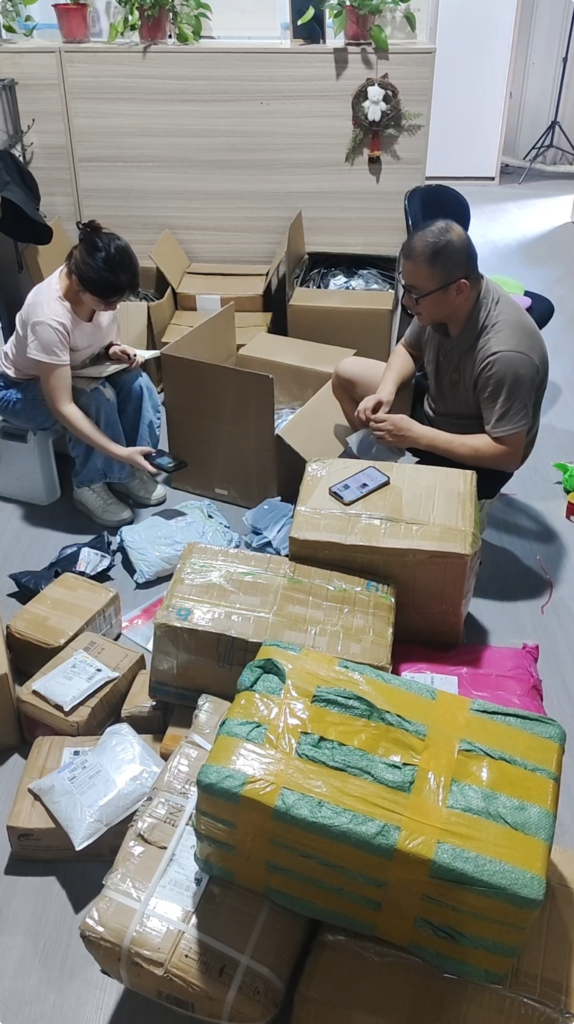
Each supplier’s shipment is processed individually after arriving at the warehouse.
The basic receiving process usually includes:
Counting the received quantity;
Confirming the product information;
Checking the outer packaging for visible damage;
Making sure labels are clear and readable.
The warehouse team also takes photos of:
The outer cartons;
The products inside.
These photos are shared with you so you can understand what has arrived at the warehouse.
If there are obvious quantity differences, damaged packaging, or other visible issues, the warehouse team will notify you for confirmation.
It is important to note that this is a Basic Goods Check.
It is used to confirm the arrival condition of the shipment and is not a professional product quality inspection.
4. Why Are Some Orders Repacked?
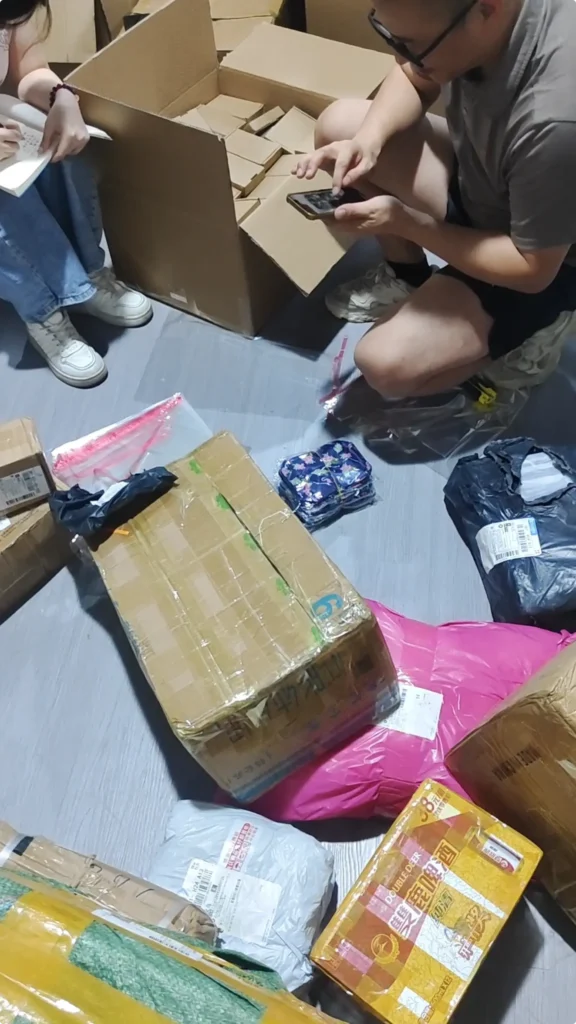
One question many buyers ask is:
“Why doesn’t the warehouse simply ship everything using the suppliers’ original packaging?”
The answer is:
Repacking is not because the supplier’s packaging is incorrect.
Most suppliers package their products according to domestic transportation requirements in China.
However, when products from multiple suppliers need to be combined into one international shipment, the warehouse also needs to consider the overall shipping preparation.
For example, different suppliers may send:
Small individual packages;
Different carton sizes;
Separate shipments with limited quantities.
These packages are suitable for domestic delivery, but they may not always be the most efficient format for international shipping preparation.
Depending on the shipment requirements, some products may be reorganized into standard cartons.
Experienced warehouse staff arrange products based on:
Product size;
Quantity;
Shape.
The goal is to keep products secure while making the shipment easier to handle and prepare.
Not every shipment requires repacking.
If the supplier’s original packaging already meets the shipping requirements, it can remain unchanged.
5. Pallet Storage Before International Shipping
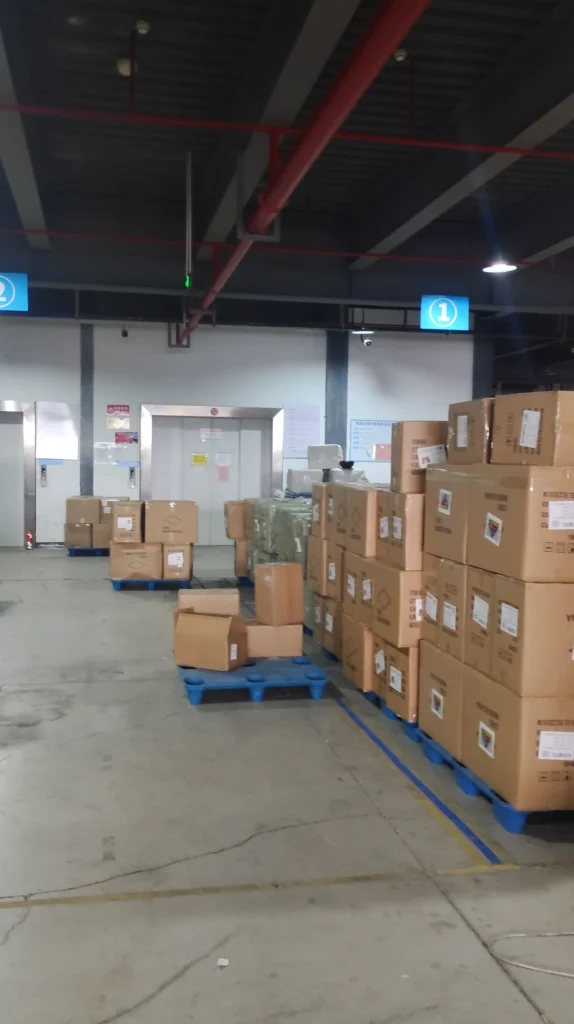
After products have been checked and any necessary preparation has been completed, cartons are placed onto pallets for organized storage.
Dragon3PL uses pallet-based warehouse management to keep customer shipments clearly organized.
For many multi-supplier orders, customers prefer to wait until the main supplier shipments have arrived before arranging international shipping.
This allows the warehouse to complete the preparation process together instead of handling multiple small shipments separately.
Once everything is ready, the shipment can move to the next stage of export.
If you would like to learn what happens after warehouse preparation, you can continue reading:
Conclusion
Buying from multiple suppliers gives overseas buyers more flexibility and more product options.
However, it also means that products arrive at different times and require proper organization before international shipping.
From receiving supplier shipments, organizing products by customer, checking arrival conditions, sharing photos, repacking when needed, and managing pallets, every step helps prepare your products for export.
These activities happen behind the scenes, but they play an important role in making international shipping smoother.
At Dragon3PL, we share our real warehouse workflow to help you better understand:
What happens to your products before they leave China.
Frequently Asked Questions
FAQ 1
Can I ship products from multiple suppliers together in one shipment?
Yes.
Many overseas buyers purchase products from different suppliers in China and combine them into one shipment through a China warehouse.
The warehouse can receive products from different suppliers, organize them by customer, and prepare them together for international shipping.
FAQ 2
Do all products need to be repacked after arriving at the warehouse?
No.
Repacking is not required for every shipment.
If the supplier’s original packaging is suitable for international shipping, it can remain unchanged.
However, some multi-supplier orders may need repacking when products arrive in many small packages, different carton sizes, or formats that are not suitable for combined shipping.
FAQ 3
How do you know which products belong to my order when they come from different suppliers?
Before processing, warehouse staff organize incoming shipments by customer.
Products from the same customer are grouped together to avoid mixing with other shipments.
The warehouse also records shipment information and provides product photos during the receiving process.
FAQ 4
Will you check the quality of my products when they arrive?
The warehouse performs a basic goods check when products arrive.
This usually includes:
Checking the received quantity;
Checking visible damage;
Confirming product labels;
Taking photos of cartons and products.
This process confirms the arrival condition of the shipment.
A professional quality inspection (QC) service is a separate process and can be arranged if required.
FAQ 5
How long should I wait before shipping my products internationally?
It depends on your purchasing plan.
Many customers prefer to wait until most supplier shipments have arrived before arranging international shipping.
This allows products to be consolidated together and may reduce unnecessary costs caused by multiple separate shipments.
For urgent products, partial shipments can also be arranged based on customer requirements.
FAQ 6
Can you handle products purchased from 1688 or other Chinese platforms?
Yes.
Products purchased through platforms such as 1688, wholesale markets, or direct suppliers can be sent to our China warehouse for receiving, consolidation, and shipping preparation.
The key challenge is usually not where the products are purchased, but how multiple supplier shipments are organized before export.
Recent Posts
Archives
Ready to Simplify Your China Logistics?
Whether you’re planning your first shipment or looking for a more reliable logistics partner, we’re here to help.
Tell us about your sourcing or shipping needs, and our team will get back to you with practical recommendations.
Dragon 3PL
Providing warehousing, cargo consolidation, FCL shipping and door-to-door delivery, and many value-added services and support for businesses shipping from China to overseas destinations.